What to do when your garage door makes noise
Discover effective solutions for noisy garage doors in Sugar Land, including troubleshooting tips and when to call a professional.
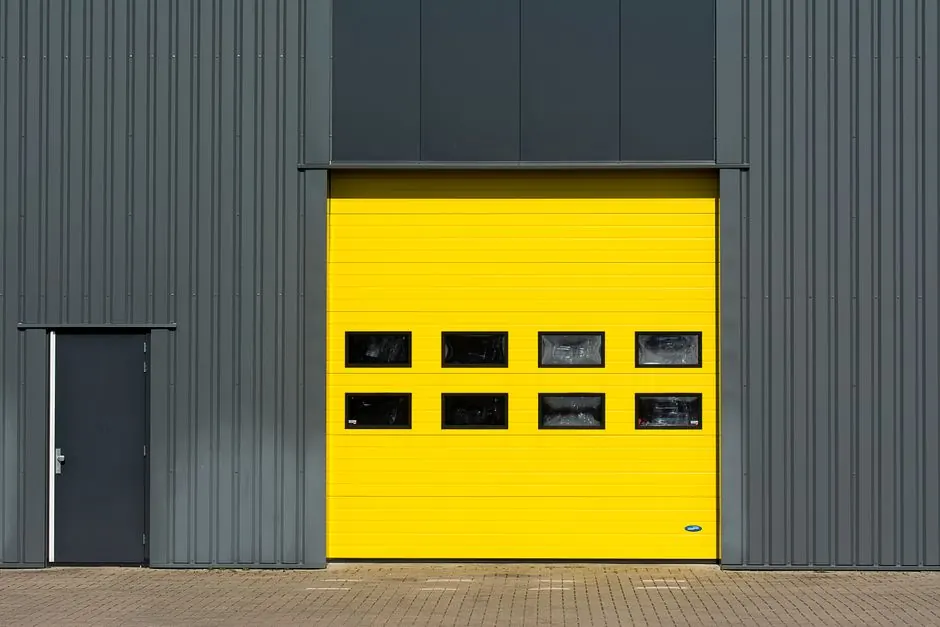
A noisy garage door can be a source of frustration for homeowners in Sugar Land. The first step to resolving the issue is identifying the source of the noise, which can range from simple maintenance needs to more serious mechanical problems. This article will explore common causes of noisy garage doors, troubleshooting tips, and when to call for professional help.
Garage door noise is an issue that arises when the door operates, often manifesting as squeaks, grinding, or rattling sounds. Addressing these noises promptly can prevent further damage and ensure the door operates smoothly.
Common Causes of Noisy Garage Doors
Several factors can contribute to a noisy garage door in Sugar Land. Understanding these can help you pinpoint the issue and decide on the appropriate action.
- Lack of Lubrication: Over time, the moving parts of your garage door can dry out, leading to squeaking or grinding noises. Regular lubrication of the hinges, rollers, and tracks can mitigate this problem.
- Worn Rollers: If your garage door has metal rollers, they may wear down over time, causing a grinding sound. Replacing them with nylon rollers can reduce noise significantly.
- Loose Hardware: Bolts and screws can loosen over time, leading to rattling noises. Regularly checking and tightening these parts can help maintain a quiet operation.
- Spring Issues: If the garage door springs are worn or damaged, they may produce a loud bang when the door is opened or closed. Professional garage door repair services sugar land TX are often necessary in these cases.
- Misalignment: If the door is not properly aligned with the tracks, it can create noise during operation. This may require adjustment by a professional technician.
How to Troubleshoot Noisy Garage Doors
When your garage door starts making noise, troubleshooting is essential to determine the cause and fix it effectively.
- Inspect the Door: Begin by examining the garage door for any visible signs of wear, such as rust on the tracks or damage to the rollers.
- Check the Lubrication: Apply a high-quality lubricant to the moving parts, including the rollers, hinges, and tracks. This can often resolve minor noise issues.
- Tighten Hardware: Use a socket wrench to check for loose bolts and screws. Tightening these can eliminate rattling noises.
- Test the Springs: If you suspect spring issues, carefully observe the door while it opens and closes. If it struggles or makes a loud noise, it may need professional attention.
- Adjust the Tracks: If the door appears misaligned, check the tracks for any bends or obstructions. Adjust them as necessary to ensure smooth operation.
Common Mistakes to Avoid
Homeowners often make certain mistakes when dealing with noisy garage doors that can exacerbate the problem.
- Neglecting Regular Maintenance: Failing to perform routine maintenance can lead to more significant issues down the line. Regular checks can help catch problems early.
- Using Inappropriate Lubricants: Avoid using WD-40 or similar products, as they can attract dirt and grime. Instead, opt for a silicone-based lubricant.
- Ignoring Warning Signs: If your garage door makes unusual noises, don't ignore them. Addressing issues early can prevent costly repairs.
- DIY Repairs Without Knowledge: Attempting complex repairs without the necessary skills can lead to further damage. Know your limits and call a professional when needed.
When to Call a Professional
Recognizing when to call for help is crucial for maintaining your garage door's functionality. If you notice persistent noise after performing basic troubleshooting, it may be time to contact a professional. Issues like broken springs, damaged cables, or significant misalignment often require expert intervention.
Sugar Land Door Works offers professional garage door repair in sugar land to address these concerns effectively. Our experienced technicians can diagnose the issue and provide the necessary repairs to keep your garage door operating smoothly.
Frequently Asked Questions
1. Why is my garage door making a grinding noise?
Grinding noises often indicate worn rollers or lack of lubrication. Inspect and lubricate the moving parts to see if the noise improves.
2. How often should I lubricate my garage door?
It's advisable to lubricate your garage door every 6-12 months, or more frequently if you notice increased noise.
3. Can I replace garage door springs myself?
Replacing garage door springs is dangerous and should only be done by professionals. They have the tools and expertise to handle this safely.
4. What should I do if my garage door is off track?
If your garage door is off track, stop using it immediately and call a professional. Continuing to operate it can cause further damage.
5. How can I reduce garage door noise?
Using nylon rollers, lubricating moving parts, and ensuring proper alignment can significantly reduce garage door noise.